

Agentic engineering: Next big AI trend after vibe coding

We’ve moved fast from vibe coding to something more profound: agentic engineering.
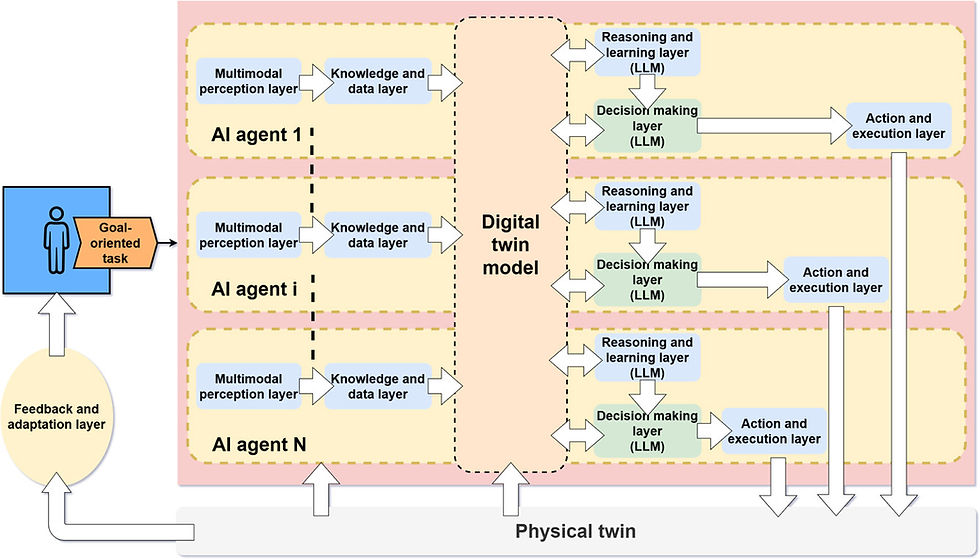
Instead of writing every line of code, we’re increasingly defining intent, constraints, and quality while AI agents plan, reason and build. The role of engineers is shifting from “doing” to architecting, guiding, and governing.
In this new paradigm, engineers become architects of intent and orchestrators of AI workflows, moving from hands-on coding to AI governance, design, and supervision. This shift has deep implications for how we build platforms, scale teams, and define value in tech organisations.
From our experience leading product and technology teams, especially in fast-moving regulated environments, I see three big takeaways:
Strategy over syntax: our role becomes defining what quality and outcomes look like.
AI orchestration as a craft: engineers will need to master how to structure, guide and evaluate autonomous agents.
Systems thinking wins: success comes from architecting resilient AI-driven processes, not just functional code.
Just as important is choosing the right projects to apply this approach. It seems to me that Agentic engineering works best where problems are well-bounded but complex, clear goals, measurable outcomes, and room for iteration. It’s far less effective where requirements are vague, stakes are unclear, or governance is missing.
It's not about task automation but about rethinking how we approach technology creation.


Comments